

Investing
Green and ESG Funds in Norway — How to Read the Labels
Navigate Norwegian green and ESG fund labels: SFDR articles, KID documents, Finanstilsynet oversight, and questions to ask before you invest.
Norwegian fund investors choose between two main personal tax wrappers: a standard fondskonto (fund account) and Aksjesparekonto (ASK — share savings account). Both hold mutual funds and listed shares, but tax is calculated differently. Picking the wrong wrapper rarely ruins a plan, yet it can create surprise bills or lock money you needed sooner than rules allow.
This article compares mechanics. It does not recommend specific funds or predict returns.
The wrapper is a tax container. Expected return and risk come from the assets inside, not from the label on the account.
On a classic fondskonto, realized gains and distributions trigger annual tax under the realisationsprinsippet and utbytte rules for equity funds. You report via the bank's tax report; Skatteetaten reconciles against your return.
Key traits:
Equity funds benefit from adjustment factor rules that reduce taxable gain relative to raw price appreciation; details change with tax law. Bond and money-market funds follow different rate schedules.
ASK uses a lagbeskatning (deferred taxation) model. While money stays inside a qualifying ASK, you generally do not pay tax on gains until withdrawal or until you exceed the skjermingsfradrag (shielding deduction) mechanics in ways that trigger annual adjustment tax on excess.
On withdrawal:
ASK suits long horizons where compounding without interim tax is valuable — provided you understand lock-in psychology, not legal lock-in.
| Topic | Fondskonto | ASK |
|---|---|---|
| Tax timing | When gains/dividends crystallize | Primarily on withdrawal |
| Listed single stocks | Possible; tax per sale | Allowed within ASK rules |
| Complexity | Moderate | Higher — track basis |
| Switching wrappers | Move holdings with care | Transfers must preserve ASK status |
| Short-term goals | Usually simpler | Withdrawal tax can bite early |
| Skatteetaten reporting | Annual fund summary | ASK-specific fields |
Finanstilsynet regulates sales practices; read KID documents regardless of wrapper.
ASK gives a shielding deduction linked to your invested basis and a statutory rate set annually. Gains below the shielding amount can reduce tax on withdrawal. Above it, justering may tax a portion while funds remain inside.
The math is account-specific. Platforms show estimates, but Skatteetaten remains authoritative. English-speaking investors sometimes ignore Norwegian help texts on shielding — worth running through a translator or accountant once.
Individuell pensjonssparing (IPS) carries its own lock-in until age 62 (with exceptions). ASK does not replace pension tax treatment. Many households use IPS for forced retirement saving, ASK for flexible long-term equity, and fondskonto for medium-term goals.
Wrapper choice does not remove market risk. Norges Bank rate cycles, global equity drawdowns, and currency effects (for foreign funds) move account value independently of tax design.
Rebalancing inside ASK may not trigger immediate tax; inside fondskonto, switches between funds can. That tax difference should inform — not drive — asset allocation.
Tax residents of Norway generally report worldwide financial income. Non-residents with Norwegian accounts face separate rules. If you hold ASK and relocate, seek cross-border tax advice early. Skatteetaten publishes guidance on residency and termination returns.
Equity income funds distributing utbytte behave differently in fondskonto — distributions taxed annually — versus reinvesting funds inside ASK where deferral continues until withdrawal. High-dividend strategy inside wrong wrapper frustrates investors who wanted simplicity.
Depotgebyr, transaction fees, and fund TER stack independently of ASK vs fondskonto tax logic. Compare total cost three-year horizon before opening account — Skatteetaten saves tax on inefficient platform rarely enough to compensate.
Yes. Many investors use ASK for core equity and fondskonto for bond funds or planned withdrawals.
In-kind transfers are possible when platforms support them and tax rules are satisfied. Often simpler to sell and rebuy — but that realizes fondskonto gains. Model both paths.
No. It delays and structures taxation. Withdrawals can still produce substantial tax if markets performed well.
Practical access for retail investors usually runs through Norwegian-domiciled mutual funds wrapping global exposure. Direct US ETF buying through Norwegian retail channels is limited compared to US brokers. Check platform fund lists.
Inheritance tax rules have changed over time; current Norwegian rules treat inherited ASK with specific continuation options for heirs. Estate planning should reference up-to-date Skatteetaten inheritance pages.
Yes, but transferring holdings or selling triggers tax events depending on path — model with tax calculator or adviser before clicking sell all.
Navigate Norwegian green and ESG fund labels: SFDR articles, KID documents, Finanstilsynet oversight, and questions to ask before you invest.

A clear guide to Norwegian first-home mortgages: equity rules, stress tests, dokumentavgift, and what banks actually look at before they lend.
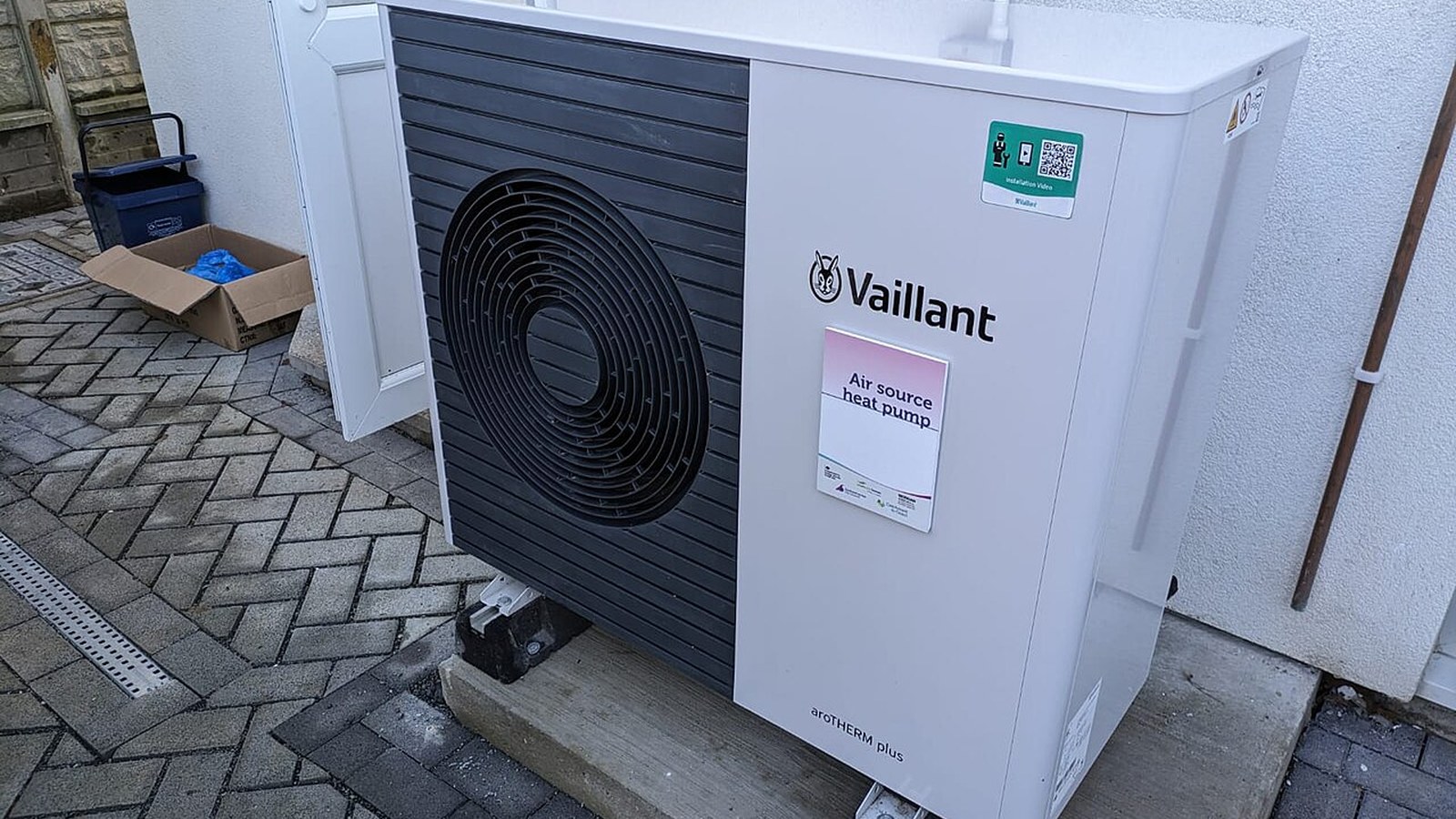
Air-to-air and air-to-water heat pumps in Norway: typical install prices, Enova support, electricity savings, and when payback math actually holds.