

Everyday
Student Economy in Norway — Loans, Grants and Rent
Lånekassen grants and loans, SIBO limits, student housing costs, and budgeting realities for degree students in Norway.
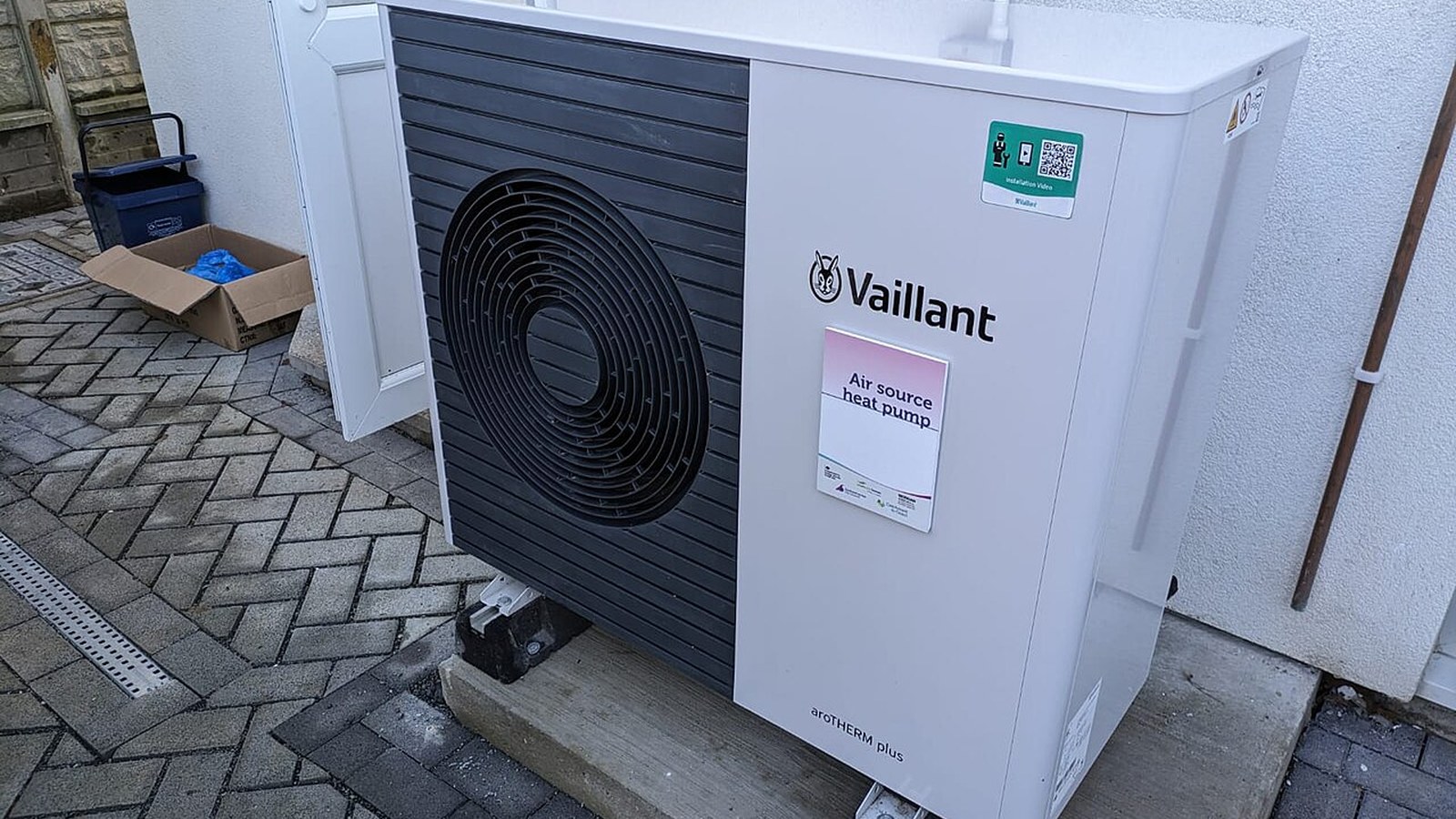
Electricity heats most Norwegian homes — directly or via waterborne systems. Varmepumper (heat pumps) move heat rather than generate it, delivering several units of heat per unit of electricity under good conditions. Government support through Enova has pushed adoption, but headlines about "free heat" oversimplify what owners actually pay and save.
This article frames costs, subsidies, and payback logic for households comparing heat pumps to existing panelovner, ovner med vifte, or el-kjel setups.
| Type | Best for | Rough install range (2025–2026 market)* |
|---|---|---|
| Air-to-air (luft-luft) | Apartments, zone heating | NOK 15,000–35,000 per indoor head |
| Air-to-water (luft-vann) | Waterborne radiators / floor heat | NOK 80,000–180,000+ |
| Ground source (bergvarme) | New builds, large plots | NOK 150,000–300,000+ |
*Installed prices vary by region, electrician hours, pipe work, and brand. Get multiple quotes; treat table as order-of-magnitude only.
Air-to-air units dominate retrofits in flats because they avoid central plumbing changes. Air-to-water suits detached houses already on waterborne distribution.
Enova SF administers grants promoting energy efficiency. Support levels and eligible products change with political budgets — always read current Enova criteria before signing a contract.
Typical patterns historically:
Enova support reduces upfront cost; it does not guarantee payback period alone. Declining grant levels can shift economics year to year.
Heat pump SCOP or COP ratings describe lab efficiency. Real homes see lower seasonal performance — especially below −15 °C when auxiliary heat may engage.
Savings depend on:
Example sketch (illustrative only):
| Scenario | Old annual heat cost | Estimated after air-to-water | Notes |
|---|---|---|---|
| Detached, direct electric | NOK 25,000 | NOK 12,000–16,000 | Good insulation |
| Apartment, panel heaters | NOK 8,000 | NOK 4,000–6,000 with air-to-air | Partial coverage |
| Already oil → pump | Highly variable | Often strong case | Oil phase-out driver |
Run quotes using your strømregning kWh history, not vendor brochures alone.
Simple payback:
Net install cost after Enova ÷ annual savings ≈ years to break even
Add:
Payback under seven years often feels comfortable for owners staying put; over twelve years needs non-financial motivations (comfort, cooling mode, emissions).
Renters usually cannot capture long payback unless landlord installs — different negotiation.
Borettslag rules may restrict outdoor unit placement, noise, and drilling through facades. Board approval is standard. Felleskostnader do not automatically drop because one unit upgraded — savings accrue to your strøm bill if you pay electricity directly.
Cooling mode helps increasingly warm Norwegian summers but increases summer kWh — net annual benefit still usually positive in poorly insulated top-floor flats.
Low-temperature heat pumps work best with gulvvarme or oversized radiators. Older high-temperature radiators may need upgrades — hidden cost in quotes. Hybrid setups retaining el-kjel for peak cold days are common; model dual-system electricity honestly.
Use sentral godkjenning or documented competency where required for electrical and refrigeration work. Cheap installs cause noise complaints and poor COP.
Ask quotes to separate:
Residential energy investment rarely gives direct Skatteetaten deductions for owner-occupiers beyond indirect effects. Interest on loans financing heat pumps follows general consumer interest rules — limited deductibility for most homeowners. Do not conflate Enova grants with tax credits.
Grid electricity in Norway is largely renewable, so heat pumps reduce local emissions mainly when displacing oil, older biomass inefficiency, or peak electric resistance — not when marketing claims suggest "zero footprint" regardless of manufacturing and refrigerants.
Obtain at least three written quotes from VVS or certified installers. Each should state:
Cheapest quote excluding electrical panel work has surprised many borettslag owners mid-project.
Boards evaluate noise, facade drilling, and visual impact. Submit technical datasheets early. Neighbour below may fear vibration — site visit with installer reduces objections.
Sameie rules differ slightly from borettslag but approval logic similar. Document board minutes approving placement before purchase — returning unit because board said no is costly.
Installer queues lengthen after Enova announcement spikes and before winter. Booking in sommer sometimes yields faster slot and off-season electrician availability. Do not rush without quotes because frost arrived — auxiliary heat bills meanwhile continue.
Enova sometimes stacks support for isolation, smart styring, and ventilation upgrades with heat pumps. Whole-building approach raises COP more than hardware alone in 1960s stock — model combined quote against heat pump only.
Newer R32 and R290 refrigerants reduce global warming potential vs legacy R410A — installer should document type for borettslag environmental questionnaires. Leaks rare but service contract should specify refrigerant handling certification.
Not always in small well-insulated rooms where panel heat is occasional. Heat pumps shine in steady heating seasons and larger loads.
Usually no for rental units unless you are owner-occupier of your boligtype per Enova definitions. Landlords may access other programs.
Yes with performance trade-offs; more auxiliary heat days. Local installer references matter more than national averages.
They can reject placements violating noise or facade rules. Early architectural drawings help approvals.
Temporary support schemes affect marginal cost during policy windows; long-run payback should use conservative price assumptions from Norges Bank inflation and historical tariff trends, not crisis-only rates.
Only with landlord approval; you rarely capture long payback unless rent is long-term and utilities in your name — negotiate writing.
Lånekassen grants and loans, SIBO limits, student housing costs, and budgeting realities for degree students in Norway.
A clear guide to Norwegian first-home mortgages: equity rules, stress tests, dokumentavgift, and what banks actually look at before they lend.
Compare Norway's fondskonto and ASK tax wrappers: deferral, withdrawal rules, fund types, and common mistakes English-speaking investors make.