
Everyday
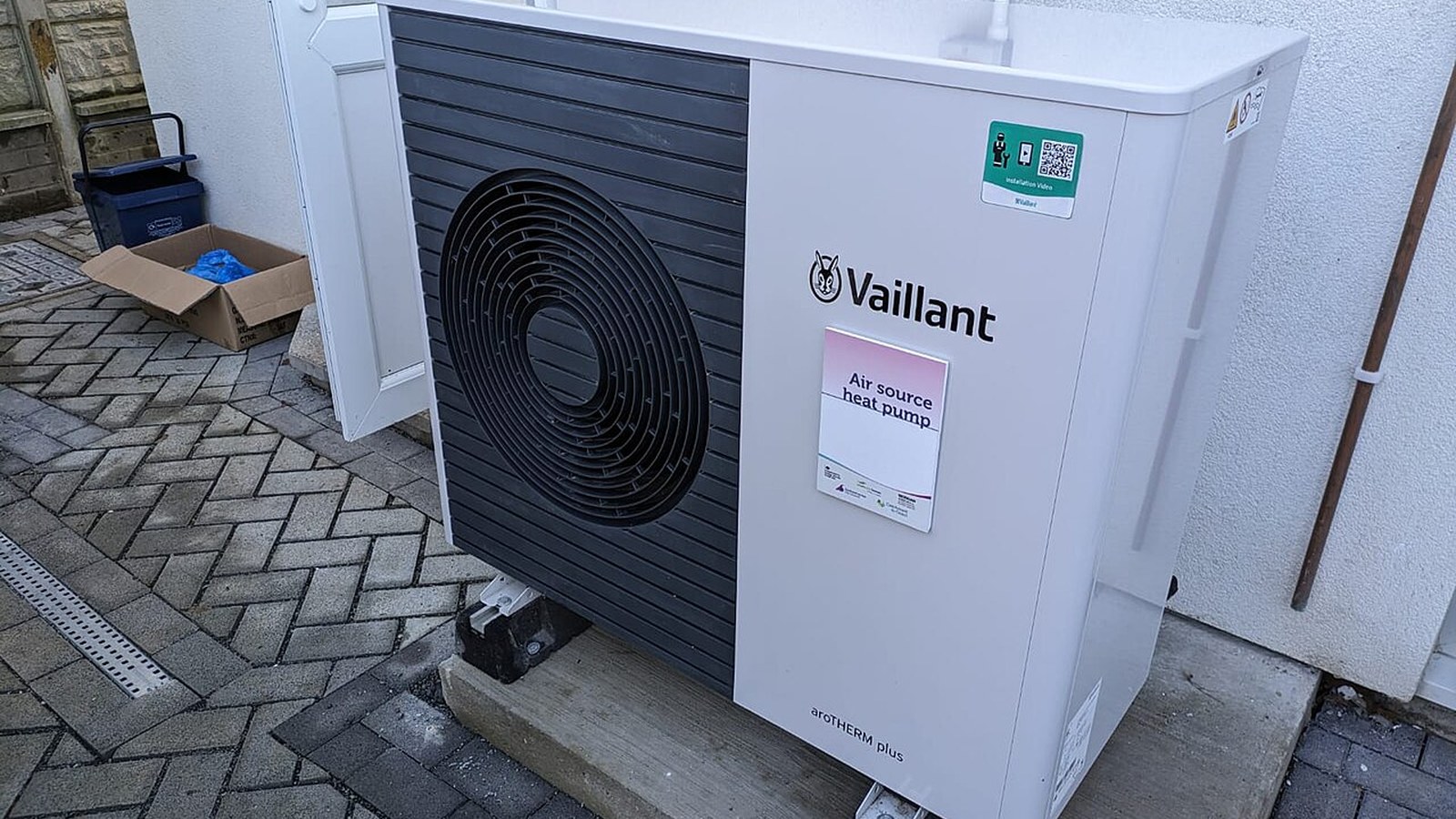
Heat Pumps in Norway — Costs, Support and Payback Logic
Air-to-air and air-to-water heat pumps in Norway: typical install prices, Enova support, electricity savings, and when payback math actually holds.

Studying in Norway looks generous from abroad — low tuition at public universities, strong labour protections for part-time work. Day-to-day money still tightens fast when Oslo rent, textbooks, and social life meet Lånekassen payment schedules. Understanding grants vs loans, housing queues, and side-job rules prevents debt surprises at graduation.
Statens lånekasse for utdanning administers student aid for approved programs. Aid splits into:
Amounts depend on:
Students from outside Norway may face eligibility rules tied to oppholdstid, EU/EEA worker status, or quota programs — verify Lånekassen international pages before budgeting.
| Component | Typical use | Repayment |
|---|---|---|
| Stipend | Rent, food | None if degree completed |
| State loan | Gap filling | Yes, with interest |
| Extra loan tiers | Higher cost cities | Yes |
SSB publishes student living cost surveys — useful sanity check against your city.
SiO, Sammen, and municipal studentboliger offer below-market units with queues measured in semesters — sometimes years in Oslo.
Market alternatives:
First-semester mistake: signing private lease at market rate before accepting dorm offer. Read cancellation clauses.
Many students work 20 hours weekly (more during holidays) in retail, hospitality, or university jobs. Income can reduce Lånekassen grants — report changes promptly in Lånekassen portal.
Minimum wage floors apply by sector; unions (Studentinnsats, Fellesforbundet) publish rates. Cash-under-table work risks both tax and aid clawback.
Students open studentkonto packages — reduced fees, sometimes free card. Vipps dominates peer payments; keep BankID active on phone.
Budget apps help, but Norwegian students often use simple spreadsheet: fixed aid in on 15th, rent out on 1st, matbudsjett weekly.
Cooking cohorts (matlag) cut costs more than any coupon strategy.
Curriculum ** pensum lists heavy Norwegian titles — buy used from NSU** book exchanges or digital where allowed. Lab courses may require kit not covered by aid.
Aid disburses over 10 months traditionally; summer requires savings or full-time temp work. Tourism and skoleferie jobs fill gaps; plan tax card update if earnings spike — Skatteetaten withholding may lag.
Completing on time converts maximum grant portions; dropping credits can omstille loans into pure debt. Average graduate debt varies by program length and city — SSB and Lånekassen annual reports quote national figures.
Repayment starts after grace period when income exceeds threshold — check current betalingsplan rules. Early partial repayment allowed without penalty in most cases.
Many pay living costs from savings, home-country support, or limited part-time work rights. Utlendingsloven work hour caps for non-EU students are strict — violating them risks residence status, not just budget strain.
Scholarships (Quota Scheme, bilateral programs) exist but competitive.
NAV offers some support routes for students in crisis, but standard sykepenger often inactive during full-time study. Universities provide sio mental helse services — financial counselling sometimes included.
Most student aid follows the academic calendar, not the supermarket calendar. A workable budget starts with fixed costs — rent, phone, transport pass — then assigns weekly food money you can actually spend down to zero without panic.
| Category | Typical share of monthly aid* | Planning tip |
|---|---|---|
| Rent | 45–55% | Queue early for SiO/Sammen |
| Food | 20–25% | Meal prep beats delivery apps |
| Transport | 5–10% | Student tariff requires valid card |
| Social / leisure | 10–15% | Pre-set cap avoids Vipps drift |
| Buffer | 5% | Covers lab fees, haircuts, pharmacy |
*Varies sharply by city; Oslo skews rent higher than Tromsø or Kristiansand.
Track spending for one month before judging yourself. Many students discover abonnement creep — streaming, gym, cloud storage — that survived from parental home without conscious choice.
Student welfare organisations run housing, health, and cafeterias. SiO serves Oslo students; Sammen covers Bergen, Trondheim, and more. Waiting lists are public on their websites — apply the day you receive admission, not the week before semester start.
Private hybel contracts often require depositum equal to one to three months' rent in a blocked account. Read whether utilities are inkludert or billed separately; "cheap" rent with own strøm meter can exceed dorm all-in pricing in winter.
Even modest café wages generate a-melding reports from employers. Your skattekort should reflect expected annual income so withholding matches liability. Large refunds feel nice; they usually mean you gave the state an interest-free loan all year.
Freelance gigs — tutoring, photography — belong on tax return if they exceed hobby thresholds. Lånekassen may treat sustained high income as grounds to adjust grant share retroactively. Report changes when they happen, not at graduation.
Loan repayment typically begins once income crosses a threshold NAV publishes annually. Until then, interest may still accrue on loan portions depending on product type — read your specific Lånekassen statements rather than assuming zero cost.
Graduates who move abroad remain liable for Norwegian student debt. Collection follows international agreements; ignoring post redirects does not reduce balance.
Private market isolation affects mental health and dropout risk — SSB education completion correlates with stable housing. Saving NOK 1,500 monthly on cheaper illegal sublet may cost degree completion — factor non-monetary risk.
Yes — select loan portions in Lånekassen application each semester. Many minimize borrowing to reduce graduate debt.
Norwegian students under 34 face means testing against parental income unless exceptions (marriage, prior work history, distance) apply. Rules detailed on Lånekassen.
Usually you pay SiO/Sammen invoices yourself; aid lands in your account — discipline required.
Part-time pace reduces annual support; exceeding normert time limits triggers gjeldsgjøring of grants into loans.
Grant portions are generally tax-free; wages from jobs taxed normally. Loan is not income.
Non-EU students face strict weekly caps during semester; exceeding limits risks residence status — budget without assuming full-year wages.
Air-to-air and air-to-water heat pumps in Norway: typical install prices, Enova support, electricity savings, and when payback math actually holds.
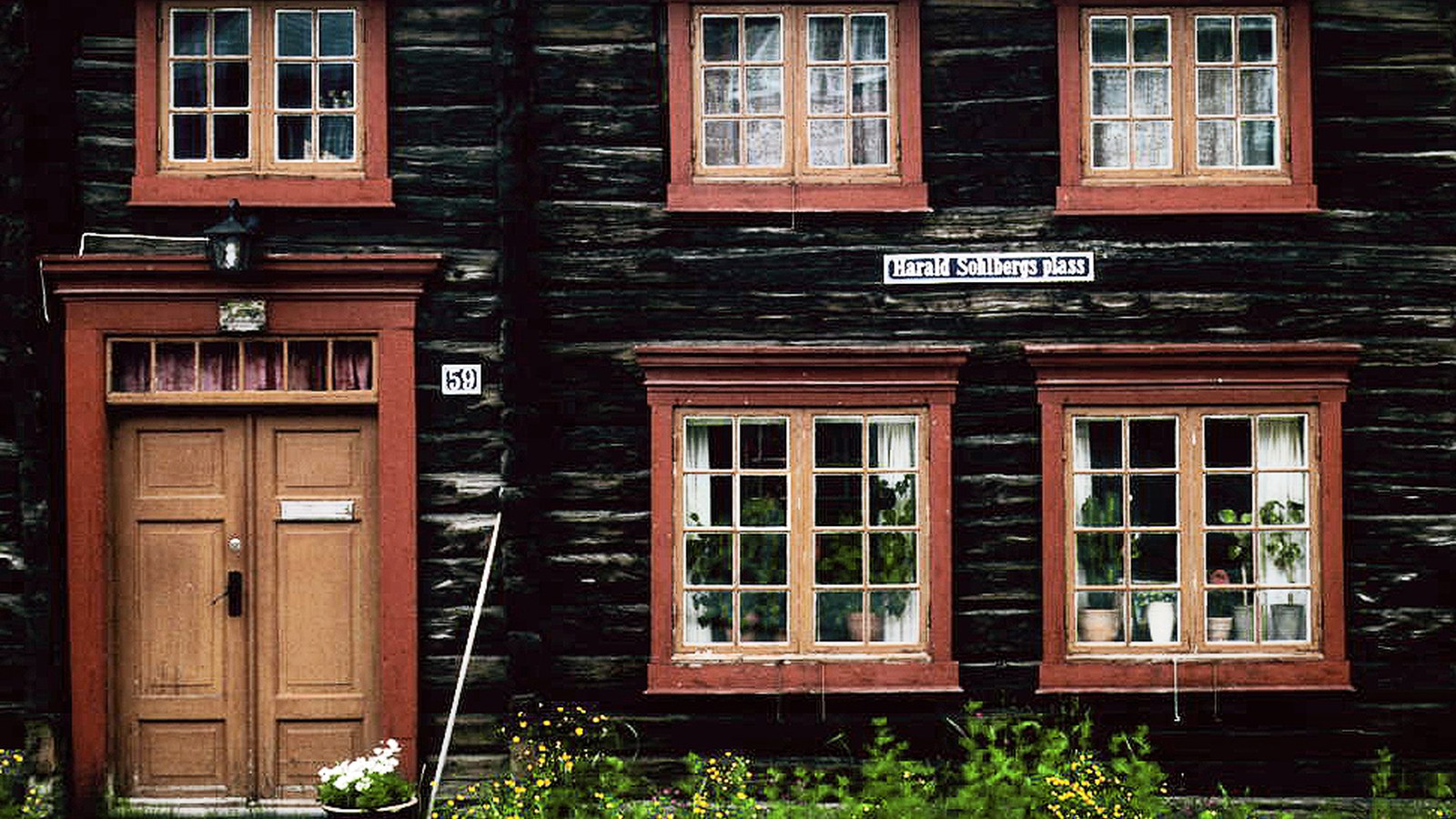
A clear guide to Norwegian first-home mortgages: equity rules, stress tests, dokumentavgift, and what banks actually look at before they lend.
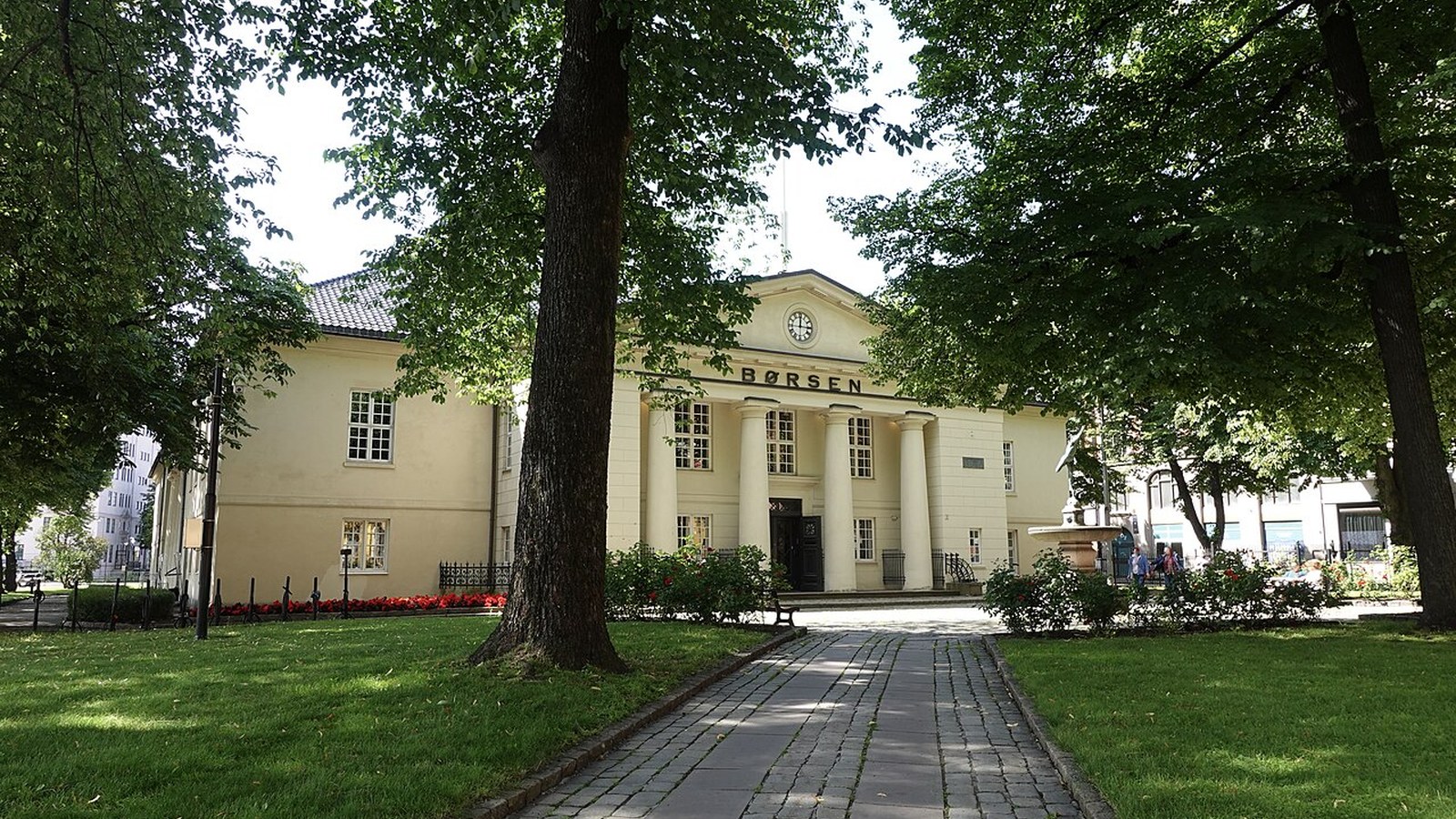
Compare Norway's fondskonto and ASK tax wrappers: deferral, withdrawal rules, fund types, and common mistakes English-speaking investors make.