
Housing
Buying Your First Home in Norway — Mortgage Basics
A clear guide to Norwegian first-home mortgages: equity rules, stress tests, dokumentavgift, and what banks actually look at before they lend.
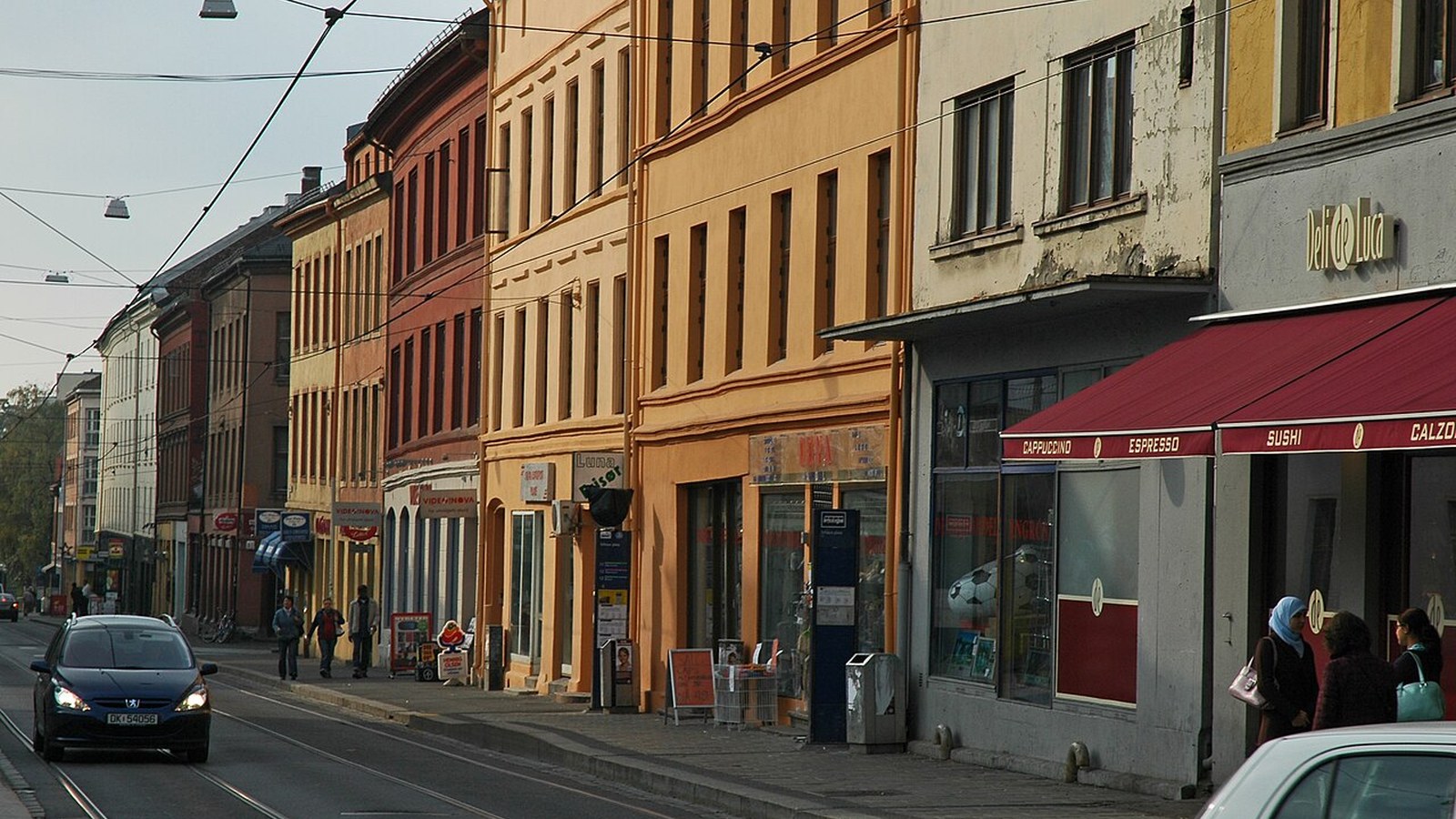
Oslo housing debates polarize quickly: renters accused of "throwing money away," owners stressed by rate hikes and fellesgjeld. Neither caricature helps. The rent-or-buy decision combines math, mobility plans, and risk tolerance in a city where entry prices rank among Europe's highest relative to median wages.
NordMint does not declare a winner. This framework organizes questions SSB data, Finanstilsynet lending rules, and local market structure suggest you answer honestly.
Oslo prices per square metre exceed national averages by a wide margin — SSB's boligprisindeks splits Oslo from other regions. Inner districts (Sentrum, Majorstuen, Grünerløkka) command premiums; outer areas (Stovner, Søndre Nordstrand) offer lower entry with longer commutes.
Rental market:
Purchase market:
Macro context from Norges Bank — policy rate path — affects both mortgage rates and, indirectly, investor appetite in rental stock.
Hidden costs:
Hidden costs:
Illustrative only — plug your quotes:
| Item | Rent (2-bed outer Oslo)* | Buy (similar unit)* |
|---|---|---|
| Housing payment | NOK 16,000 rent | NOK 14,000 interest+principal |
| Felleskostnader | Often included | NOK 4,000 |
| Maintenance buffer | Landlord | NOK 1,500 reserve |
| Wealth building | None direct | Equity + price risk |
| Upfront cash | NOK 48,000 deposit | NOK 600,000+ equity + fees |
Numbers fictional mid-2025 scale; your finansieringsbevis* and lease quotes replace these.
If mortgage payment alone beats rent, buying looks cheap until felleskostnader and maintenance close the gap — common in Oslo borettslag.
Buying favors staying put 5–10+ years to amortize transaction costs. Oslo job markets encourage mobility among young professionals — renting preserves optionality for Berlin, Bergen, or parental leave abroad.
Short horizon plus rising rates historically hurt owners who bought at cycle peaks forced to sell into soft markets.
| Risk | Renter | Owner |
|---|---|---|
| Interest rate rise | Indirect via rent index | Direct on flytende rente |
| Major repair | Landlord (with delays) | You / cooperative invoice |
| Price fall | No equity hit | Paper or real loss if selling |
| Illiquidity | Move with notice | Sale takes months |
Finanstilsynet stress tests limit bank lending; they do not eliminate personal budget stress when NIBOR moves.
Primary home formue valuation for wealth tax uses adjusted rules below market — Skatteetaten publishes rates. Mortgage debt reduces net wealth calculation within limits.
Rent is not deductible; mortgage interest deductibility has narrowed over decades — check current rentefradrag rules before modeling old advice from expat forums.
Capital gains on primary residence often sheltered if owned and occupied sufficient duration — significant owner advantage on exit, irrelevant if you never sell.
Outer Oslo purchase with Ruter pass adds NOK 4,000–5,000+ annually per adult — still often below inner rent premium but not zero. Cycling infrastructure excellent in many corridors; car ownership adds bomring, parking, and insurance rarely fully modeled in buy-vs-rent spreadsheets.
Inner rental near T-banen may beat outer ownership on dør-til-dør time cost if your employer values presence downtown.
Some mortgages offered avdragsfrihet periods — lower initial payment, unchanged debt principal. Finanstilsynet scrutiny increased after households extended interest-only exposure. If comparing rent to buy using interest-only quote, stress-test when principal repayment resumes.
Primary residence gains often sheltered for owners meeting occupancy tests — Skatteetaten rules reward long hold. Renters invest difference elsewhere; tax treatment of those assets differs. Multi-decade horizon tilts math toward ownership for some — if invested alternative is low-yield cash, less so.
Ullern and Nordre Aker family housing near schools trades differently from Grønland micro-units attractive to short-stay landlords. Average Oslo price index hides dispersion — compare micro-location you actually want, not citywide headline.
Husleieloven amendments and municipal reguleringsplaner affecting short-term rental supply shift landlord economics — indirect pressure on long-term tenant pricing. SSB rental surveys lag policy changes; local Finn.no monitoring supplements national data.
You pay for shelter and flexibility. No equity build — but also no price crash exposure or repair surprises.
15% minimum plus dokumentavgift and moving costs — often 20%+ of purchase price in cash all-in for first-timers.
Long historical upward trend with drawdowns — SSB index shows cycles. Past trend not contract for future.
Timing rates and prices together is hard. Buy when personal budget works stressed upward, not when headlines optimistic.
Sometimes lower price per m²; fellesgjeld can offset apparent bargain. Read cooperative accounts before bid.
Renters who invest the difference between hypothetical mortgage payment and rent into diversified assets may build wealth — discipline required; no automatic outcome.
A clear guide to Norwegian first-home mortgages: equity rules, stress tests, dokumentavgift, and what banks actually look at before they lend.
Compare Norway's fondskonto and ASK tax wrappers: deferral, withdrawal rules, fund types, and common mistakes English-speaking investors make.

Navigate Norwegian green and ESG fund labels: SFDR articles, KID documents, Finanstilsynet oversight, and questions to ask before you invest.